Efficiency · Installation · Renter considerations
Portable AC vs window AC: which design fits your room?
Window air conditioners usually deliver better efficiency and keep the heat-producing components outside the room. Portable units are easier to relocate and work with more window configurations, but they sacrifice floor space and must manage heat through a hose.
What to know before buying
Choose the constraint, not the category
Choose a window AC when the window, building rules and installation support allow it and efficiency is the priority. Choose a portable AC when a window unit is prohibited, the opening is incompatible or you need seasonal mobility. Neither option is universally better.
- Window AC usually wins on efficiency and usable floor space.
- Portable AC usually wins on mobility and installation flexibility.
- Renters must check lease and window restrictions before buying either design.
Matched to this specific need
2 models worth comparing
These recommendations are ranked for the room or priority named above. Start with fit, then compare price and features.
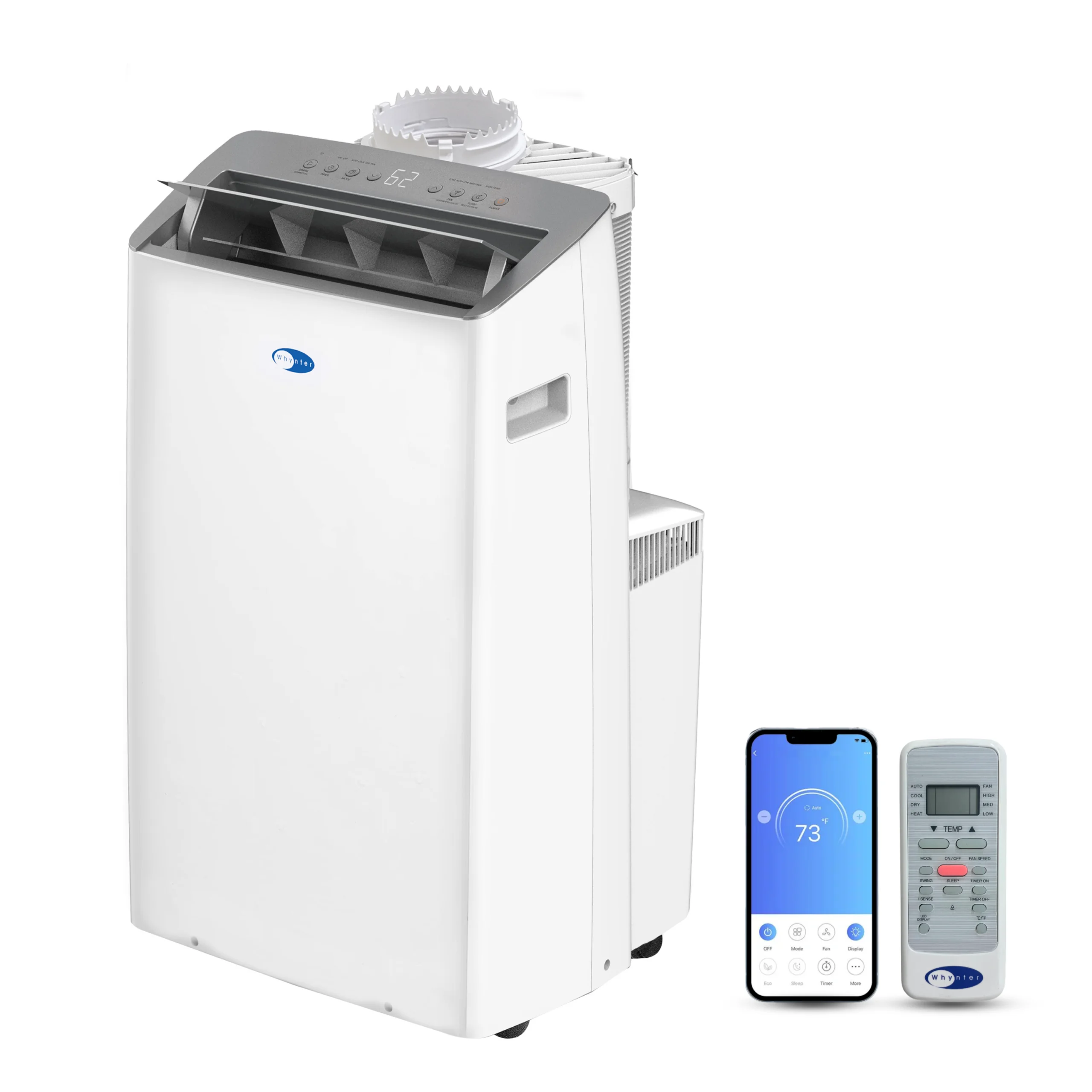
Whynter ARC-1230WN NEX
The 12,000 BTU SACC inverter and hose-in-hose design reduce some of the usual portable-AC compromises.
- DOE SACC
- 12,000 BTU
- Room guidance
- Up to 600 sq. ft.
- Hose
- Hose-in-hose
- Noise
- Very quiet
Best forLarge rooms where a window unit is not practical but serious cooling is needed.
Know before buyingIt remains a heavy floor-standing appliance with a large window connection.
Check current price on AmazonRead the complete verdict Affiliate link. Price and availability may change.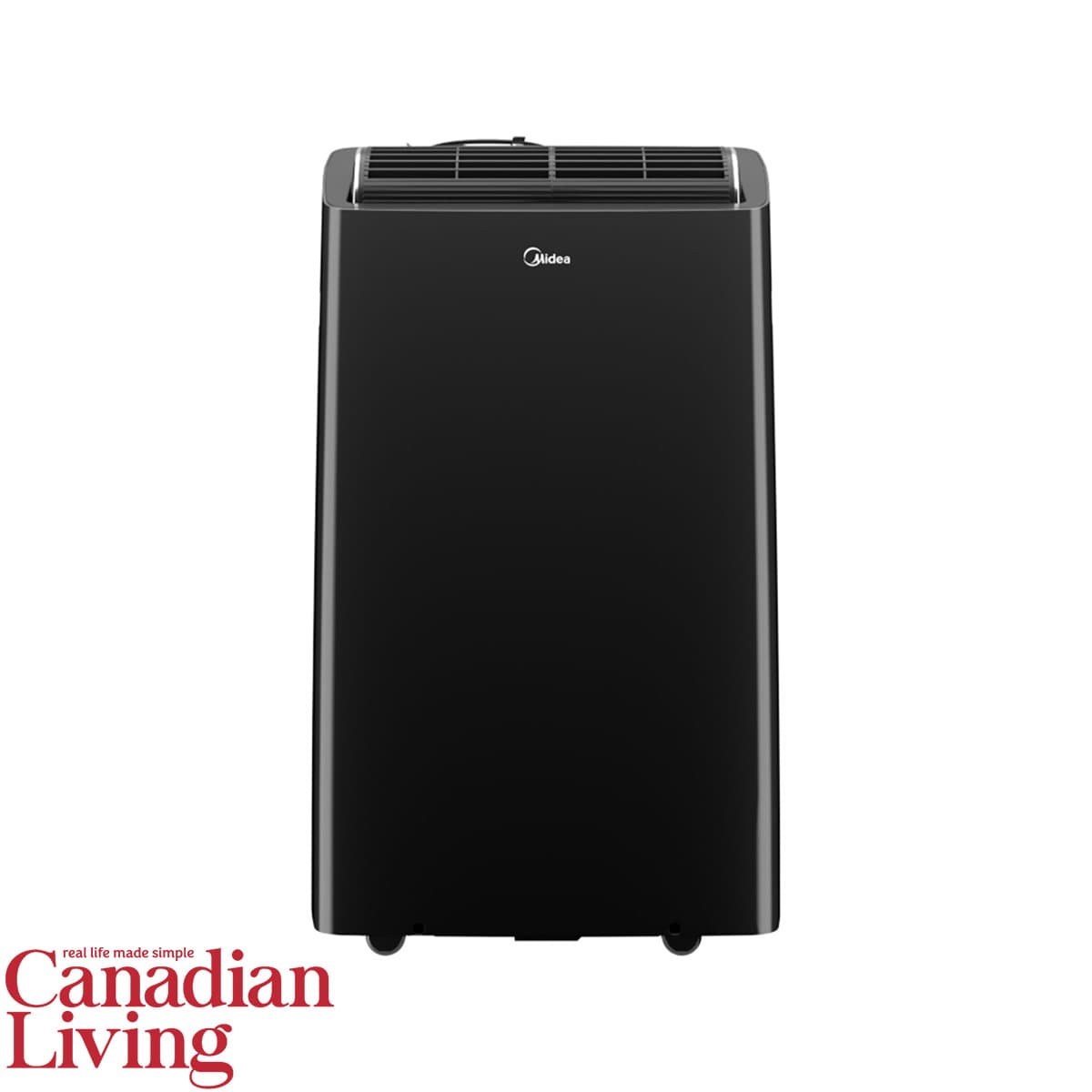
Midea Duo MAP12S1TBL
The 10,000 BTU SACC inverter and combined hose design suit buyers seeking quieter temperature maintenance.
- DOE SACC
- 10,000 BTU
- Room guidance
- Up to 450 sq. ft.
- Hose
- Hose-in-hose
- Noise
- Very quiet
Best forMedium rooms where portability and efficiency need a reasonable balance.
Know before buyingIts owner rating and installation feedback are less reassuring than the leading Whynter models.
Check current price on AmazonRead the complete verdict Affiliate link. Price and availability may change.Efficiency and cooling performance
A window unit keeps its hot condenser section outside and does not need a long exhaust hose radiating heat back into the room. A single-hose portable unit can also create negative room pressure that pulls warm air through building gaps.
Dual-hose and inverter portable models reduce those disadvantages, but they do not eliminate the physical benefit of placing the hot side outside the room.
Installation and renter fit
A portable unit normally rests on the floor and uses a light window panel, which can make seasonal removal simpler. A window AC must be safely supported and may be prohibited by a lease, homeowners association or local building rule.
Portable does not mean installation-free. You still need an appropriate outlet, exhaust route, sealed panel and enough floor clearance.
Noise and living space
A window AC places more of the mechanical system outside, although vibration can travel through the frame. A portable AC keeps the compressor in the room and occupies floor space, but an inverter model may provide a steadier sound profile than an older fixed-speed unit.
Decision checklist
If the building permits a properly supported window unit and you do not need to move it, start there. If the window type, lease or seasonal storage needs rule that out, compare portable models by SACC capacity and hose design.
- Can the window safely support a window AC?
- Does the lease or building allow exterior-facing equipment?
- Do you have floor space for a portable unit and its hose bend?
- Will you move or store the appliance during the year?
Common questions
Frequently asked questions
Do window ACs cool better than portable ACs?
They often use energy and space more effectively because the hot side is outside. Capacity, installation quality and room conditions still determine the result.
Which is better for renters?
Portable units are often easier to approve and remove, but renters must still check lease rules. Some buildings prohibit both window equipment and permanent vent modifications.
Are dual-hose portable ACs close to window units?
Dual hose reduces negative pressure and can improve sustained performance, but the condenser and exhaust assembly are still inside the room.
Which type is quieter?
Window ACs place more machinery outside, while portable inverter models can reduce abrupt cycling. Installation vibration and fan speed make model-specific comparison essential.